 光智汇联
Defect definition and traceability table
Record symptoms, samples, batches, revisions and operating conditions.
How this deliverable is checked
Evidence can be traced to a specific sample and source.
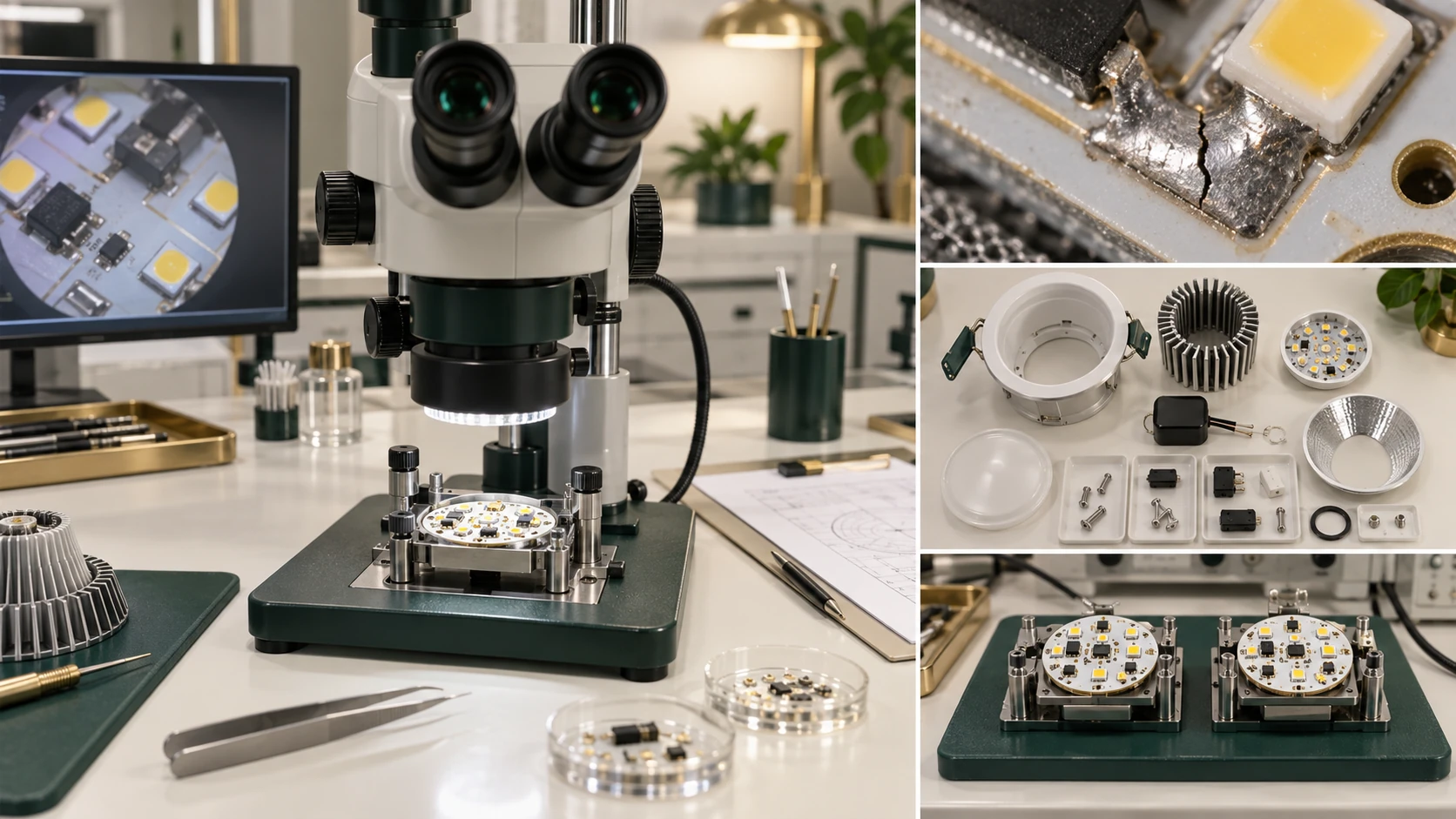
Review the service and its applications. Scope, deliverables and fees are agreed following discussion.
Discuss the service →Separate symptoms from causes, then verify whether corrective actions work.
Professional service · Acceptance against agreed deliverables
The following deliverables can be agreed. The project brief defines their depth, quantity and verification responsibilities.
Record symptoms, samples, batches, revisions and operating conditions.
Evidence can be traced to a specific sample and source.
Develop candidate causes and a staged elimination plan.
Root-cause conclusions match the strength of the evidence.
Describe design, process or inspection actions and their effects.
Each action has an owner, revision and verification requirement.
Compare evidence under the same conditions before and after correction, and identify residual risks.
Closed, not reproduced and awaiting verification are reported separately.
Fees depend on model, defect type, sample count and analysis rounds. External tests and costs are listed separately.
Defective samples and records, revisions and batches, operating conditions, manufacturing and inspection documents.
Fees are based on model, defect type, sample quantity, analysis method and follow-up rounds. External destructive analysis or testing is specified in advance.
We confirm workload, service period and both parties' responsibilities before issuing a formal quotation. Samples, site work and third-party services are listed separately where required.
When evidence is insufficient, root causes remain hypotheses; an issue is not closed merely because it could not be reproduced. Novel technical challenges are scoped under the technical investigation service.
Records and traceability can be reviewed first to propose an investigation. A root-cause conclusion requiring a sample or test must wait for that evidence.
Conclusions match the strength of the evidence; corrections are verified; unresolved issues and limitations are documented.
We first assess how gaps or changes affect deliverables, timing and fees. They are included only after both parties agree; items outside the original scope are recorded separately.
Start with a summary of the product type, objectives and issues. Share detailed information after its intended use, confidentiality requirements, access scope and delivery permissions have been agreed.
Describe your current stage, main objectives and desired deliverables, then we can confirm the suitable scope and next step together.
Use the enquiry page to share a project summary. Detailed information can follow once its use and confidentiality requirements are agreed.

